%2Ffit-in%2F250x250%2Fguide_websites%2F5736%2Fimages%2F1767643623627mylesmurray.png&w=1920&q=100)
Bass Fishing in Guntersville Alabama with Guide Myles Murray
Bass Fishing in Guntersville - What to Expect
%2F%2Fusers%2F7b0c0b3f-0240-4332-b3d8-55a740091083%2Fimages%2Fguntersville-bass-fishing-catch-2779.jpg&w=1920&q=75)
Guided Fishing Trip by Guide Myles Murray in June
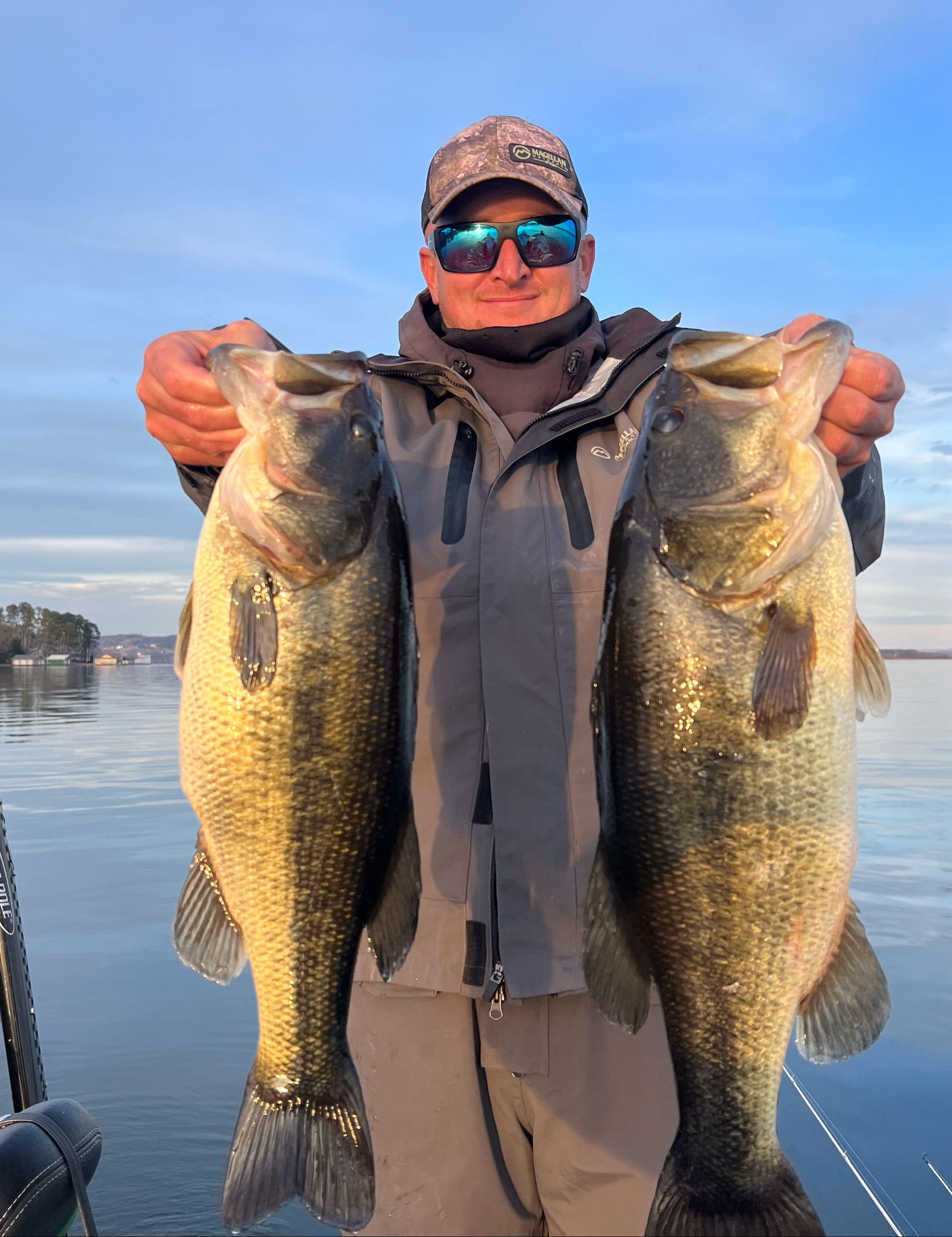
Meet your Guide Myles Murray
- See Fish, Feel Excitement And Catch The Reward!


Summary
Join a guided fishing trip on Saturday, June 27 in Guntersville, Alabama with Myles Murray Guide Service to explore what makes this destination exceptional for bass fishing. Learn proven techniques and understand species behavior while pursuing quality catches on the water.
Guided Fishing with Myles Murray - Rates & Booking
Guide Myles Murray of Myles Murray Guide Service offers expert-led guided fishing trips on Saturday, June 27 in Guntersville, Alabama. Each trip is tailored to help you understand bass behavior, water conditions, and the techniques that produce results on Lake Guntersville. Contact Myles Murray Guide Service directly to book your guided fishing experience and confirm trip details, duration, and specific inclusions.
Fishing with a knowledgeable local guide provides access to proven techniques, premium fishing locations, and the environmental knowledge that separates successful outings from average ones. Guide services typically include expertise in reading water conditions, species-specific strategies, and safe boat handling practices.
Highlights of Your Fishing Adventure
Lake Guntersville is recognized as one of Alabama's premier bass fishing destinations. The combination of diverse habitat, seasonal patterns, and consistent fish populations makes this location ideal for both learning and landing quality catches. Working with an experienced guide means you benefit from years of observation and refined techniques specific to these waters.
Your experience includes the opportunity to learn how bass respond to different conditions throughout the day, how environmental factors influence feeding patterns, and which techniques work best during various seasons. This knowledge compounds across outings, making each trip more productive than the last.
Local Bass Fishing Insights in Guntersville
Lake Guntersville holds a diverse bass population shaped by the lake's unique structure, depth variations, and seasonal cycles. Understanding bass behavior is fundamental to successful fishing. Bass respond to water temperature, light penetration, baitfish availability, and structural elements like vegetation, rocks, and depth changes. In spring, bass move shallow to spawn and feed heavily before breeding. Summer typically sees fish moving to deeper, cooler zones during midday, with increased activity during low-light periods. Fall brings renewed feeding as temperatures moderate. Winter fishing requires patience and slower presentations as metabolism slows.
The lake's geography creates multiple fishing zones with distinct characteristics. Shallow flats host early-morning and evening activity. Deep channels and drop-offs hold fish during bright daylight. Rocky points concentrate bass year-round. Vegetation provides cover and ambush points. Understanding how bass use these structures - and when - separates productive fishing from unproductive time on the water.
Technique selection matters significantly. Different presentations work better in different conditions. Topwater lures create commotion that attracts aggressive bass in low-light conditions. Crankbaits cover water quickly and trigger reactive strikes. Soft plastics allow precise presentations near cover. Jigs work effectively in deeper water and heavier cover. Spinnerbaits combine vibration and flash. Each technique addresses specific conditions and bass behavior patterns. Learning when to apply each technique, how to work the lure correctly, and how to adjust for changing conditions represents the core skill of effective bass fishing.
Water clarity influences presentation choices. Clear water often requires more subtle lures and longer casts to avoid spooking fish. Stained water allows brighter colors and more aggressive presentations. Wind, current flow, and seasonal patterns all factor into strategy development. A guide helps you recognize these variables and adapt your approach accordingly.
Bass feeding windows fluctuate throughout the day. Early morning typically offers strong activity as light levels rise and bass move from nighttime rest areas toward feeding zones. Mid-morning usually sees reduced activity as sunlight intensifies. Late afternoon and evening often see renewed feeding as light diminishes. Weather changes, particularly barometric pressure shifts, can trigger feeding regardless of time. Moon phase and seasonal timing influence overall activity levels. Understanding these patterns helps you focus your effort on the most productive times.
Conservation and catch-and-release practices help maintain healthy bass populations for future anglers. Proper handling techniques, quick processing, and careful release procedures minimize stress on fish. Understanding bass biology - their metabolism, stress responses, and recovery capacity - makes you a more responsible angler and ensures the fishery remains viable long-term.