%2Ffit-in%2F250x250%2Fguide_websites%2F5736%2Fimages%2F1767643623627mylesmurray.png&w=1920&q=100)
Largemouth Bass Fishing in Guntersville Alabama
Largemouth Bass Fishing in Guntersville - What to Expect
%2F%2Fusers%2F7b0c0b3f-0240-4332-b3d8-55a740091083%2Fimages%2Fguntersville-bass-fishing-success-2787.jpg&w=1920&q=75)
Guided Fishing Trip by Guide Myles Murray in June
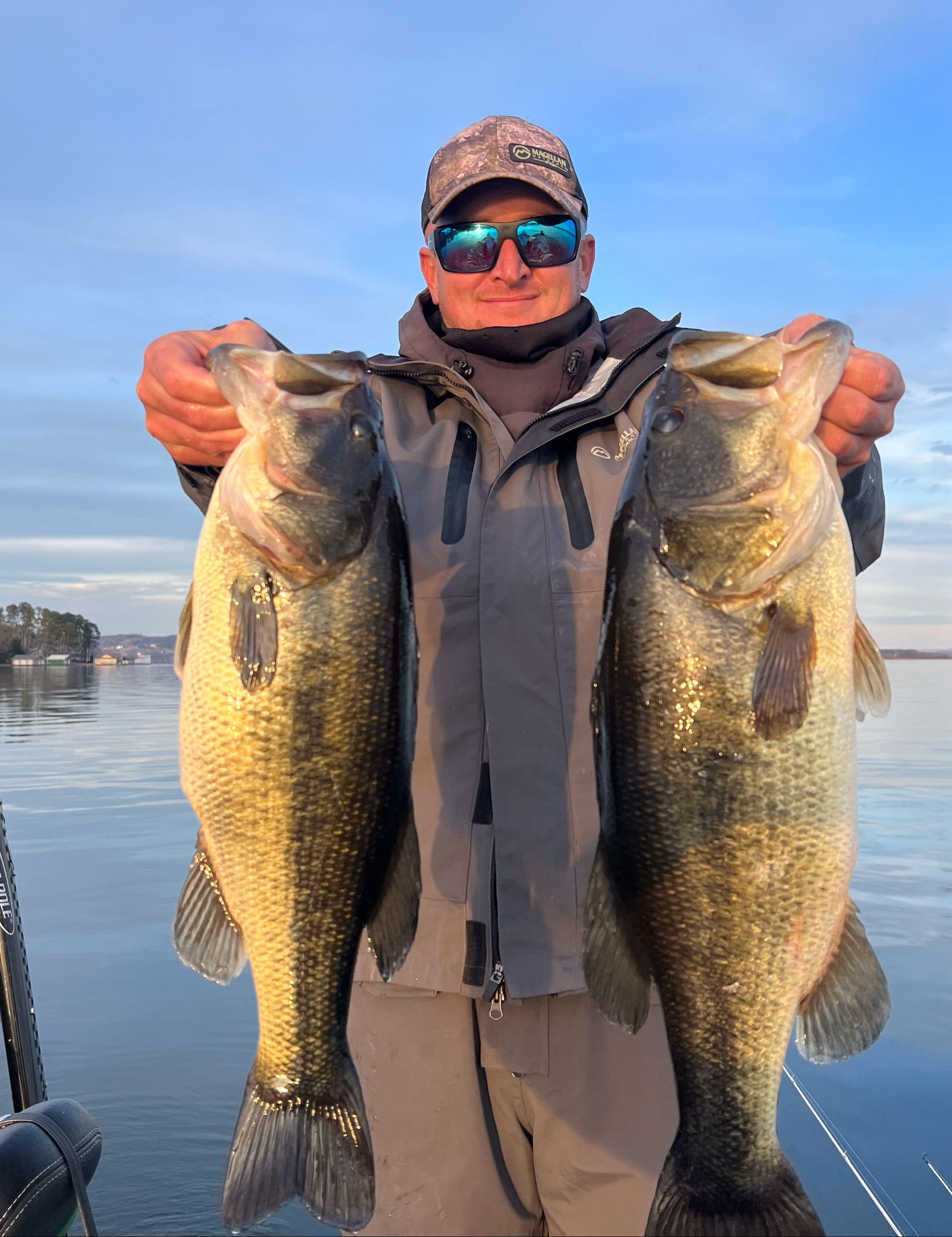
Meet your Guide Myles Murray
- See Fish, Feel Excitement And Catch The Reward!


Summary
Join guide Myles Murray for a guided fishing trip on Saturday, June for largemouth bass success in Guntersville, Alabama. This experience combines proven fishing techniques with knowledge of local lake conditions to help you understand bass behavior and habitat preferences in this productive fishery.
Bass Fishing with Myles Murray - Rates & Booking
Guide Myles Murray of Myles Murray Guide Service offers guided fishing trips on Saturday, June for anglers targeting largemouth bass on Guntersville Lake. This guided experience combines professional instruction with proven lake knowledge to maximize your success rate and understanding of bass fishing techniques.
To book your guided bass fishing trip or learn about current rates and availability, contact Myles Murray Guide Service directly. Guided trips provide the advantage of working with someone who understands seasonal patterns, productive structure, and the best techniques for the specific conditions you'll encounter.
Highlights of Guntersville Lake Bass Fishing
Guntersville Lake is a premier largemouth bass destination offering consistent fishing opportunities throughout the year. The lake's diverse structure - including timber, grass beds, and deep channels - provides ideal habitat for largemouth bass and supports a healthy population of quality fish. Anglers regularly connect with keeper-sized bass and the potential for trophy-class fish exists throughout the season.
The experience of pursuing largemouth bass on this productive lake involves learning how bass relate to seasonal changes, structure, and forage availability. Working with a guide accelerates this learning process, allowing you to understand the 'why' behind successful techniques rather than just the mechanics.
Local Bass Insights and Guntersville Lake Conditions
Largemouth bass in Guntersville Lake exhibit predictable behavior patterns that guide anglers toward success. These fish respond to depth changes, water temperature shifts, and forage abundance throughout the year. Spring and early summer often bring active feeding periods as bass position themselves in shallow cover to spawn and feed. Understanding these patterns helps explain why certain areas produce consistently while others remain less productive.
Largemouth bass are ambush predators that position themselves near cover - submerged timber, vegetation, rock outcrops, and depth transitions - to intercept forage fish. They rely heavily on water temperature to regulate their metabolism and activity levels. In warmer months, bass often move to deeper water during midday heat, becoming more active during early morning and evening hours when light levels drop and water temperatures moderate.
The structure found throughout Guntersville Lake creates abundant opportunities for anglers willing to systematically search for fish. Timber-studded banks, grass line transitions, and channel bends all serve as staging areas where bass congregate. Learning to identify and fish these locations - whether through casting, flipping, or deep-water techniques - forms the foundation of consistent success on this lake.
Seasonal movements also play a critical role. During spring, bass move shallow to spawn in protected coves and along vegetated shorelines. As water temperature rises through summer, they shift toward deeper channel structure and shaded areas. Fall brings another movement pattern as cooling water temperatures trigger renewed shallow activity. Winter fishing requires patience and slower presentations targeting the deepest available structure where bass conserve energy in cold water.
Working with an experienced guide like Myles Murray accelerates your understanding of these patterns. Rather than spending seasons learning through trial and error, you gain immediate insight into what works when and why. This educational component transforms a fishing trip into a learning experience that improves your abilities for future independent fishing.